Jerusalem — The Bayt Mal Al-Quds Asharif Agency (BMAQ), the executive arm of the Al-Quds Committee chaired by His Majesty King Mohammed VI, launched on Wednesday a free medical campaign in the town of Al-Qubeiba Imwas, northwest of Jerusalem, as part of its sustained efforts to strengthen healthcare services in Jerusalem and the neighboring villages and Bedouin communities.
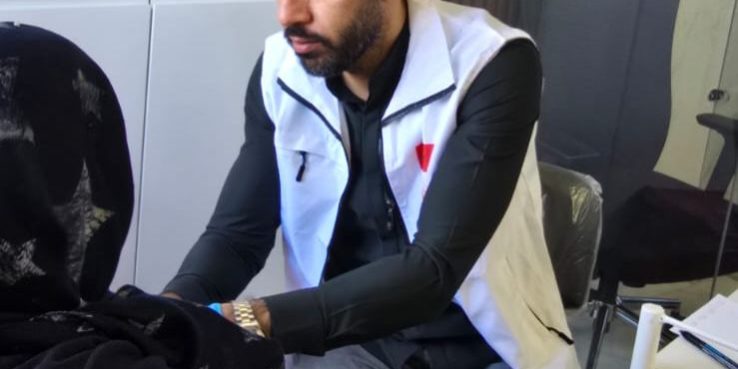
The medical campaign was organized in partnership with “Astra Lab” Laboratories and offered a wide range of healthcare services delivered by a general practitioner, a pediatrician, and an ophthalmologist, alongside mobile laboratory testing and nursing care services.
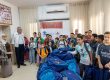
Dozens of residents, including elderly beneficiaries, received free medical examinations and treatment during the campaign, among them residents of the “Beit Imwas Healthcare Home” elderly care center. The initiative was warmly welcomed by the local community.
The Mayor of Al-Qubeiba, Saed Zahran, commended BMAQ’s humanitarian, highlighting the sustained support of His Majesty King Mohammed VI for the Palestinian people and his dedication to reinforcing the resilience of Jerusalem’s residents and surrounding communities.
Zahran emphasized that this is the first campaign of its kind to reach the town with such a comprehensive package of integrated medical services, noting that Al-Qubeiba stands as a national and humanitarian model of Muslim–Christian coexistence.
He added that allocating part of the campaign to the elderly care home and providing medical examinations to its residents reflects a strong humanitarian commitment to the most vulnerable groups, particularly amid the difficult conditions faced by the Palestinian people.
BMAQ launched its free medical campaign program in Jerusalem during the past holy month of Ramadan as part of its annual social assistance initiative. The campaigns reached Khan Al-Ahmar, the Jahalin and Al-Muntar Bedouin communities, Jaba’, Hizma, Rafat, Qalandia Camp, Qalandia Al-Balad, Qatanna, Biddu, Sheikh Saad, Mikhmas, and Al-Walaja, as well as Bedouin communities around Beit Hanina.
So far, nearly 1,800 residents have benefited from these campaigns, while about 30 cases have been referred to hospitals for further treatment, including cardiac and catheterization cases, as well as children requiring specialized medical care.
The program is scheduled to continue with 24 campaigns covering 31 areas, with some areas combined into single campaigns based on population density. The final phase will include providing eyeglasses for children based on medical reports, as well as supplying necessary medicines, strengthening the sustainable impact of these initiatives.
.