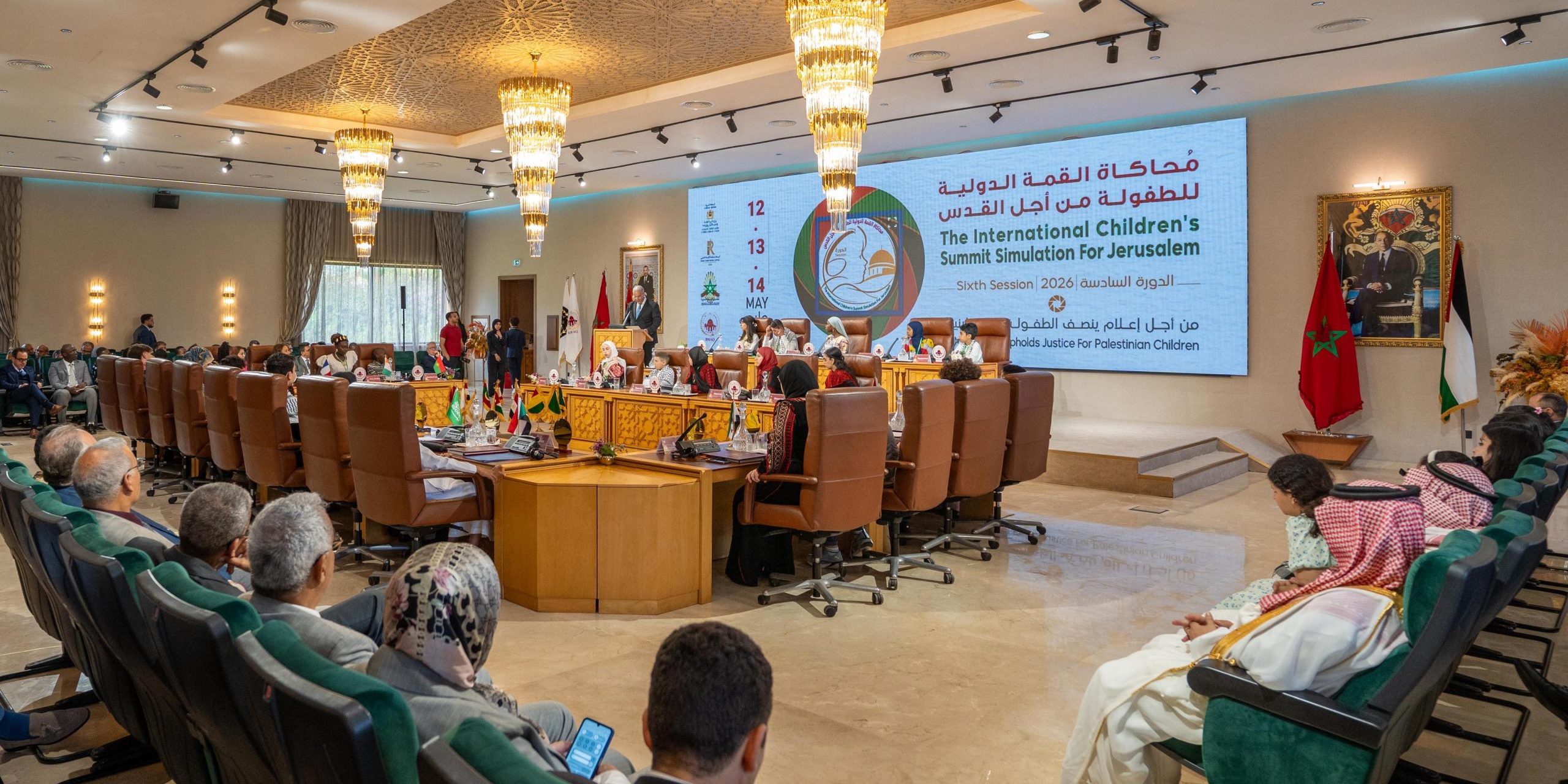
Rabat – “We are not heroes, nor do we want to be victims… we are simply children who love life. Our dreams are as vast as the minarets of Jerusalem, and our determination is as strong as its mountains. We are not mere numbers or images circulated by the media.” With this message, six Jerusalemite children participating in the sixth session of the International Children’s Simulation Summit for Jerusalem summed up their vision of how the media should portray them to the world.
For these children, the Summit—organized by the Bayt Mal Al-Quds Asharif Agency (BMAQ) under the theme “For Media That Upholds Justice for Palestinian Children”—was not a mere activity or a simple journey outside Jerusalem, but a rare opportunity to express themselves as they wish to be seen by the world, rather than as portrayed in news broadcasts.
Over several days, 64 children from 24 countries participated in dialogue sessions and educational and artistic workshops, where they explored the portrayal of Palestinian children in the media and heard firsthand testimonies from Jerusalemite children about their daily lives, aspirations, and reactions to what they see in the media.
Jerusalemite student Karim Ali Mohammed Daoud (14), a Quran memorizer and football player, says: “My dream does not need a visa and does not stop at a military checkpoint. I have learned that determination on the field is part of my resilience in life, and that every goal I score is a message that we are here, playing, growing, and holding on to life.”
Daoud adds: “I dream that the courtyards of Al-Aqsa Mosque become my safe space where I can read the Quran in peace, and that my steps on the playing fields lead me toward universities and hospitals, so I can achieve my greatest dream of becoming a doctor.”
He continues: “We want media that reflects our true image and tells stories of success and hope, not one that sees us only in scenes of sadness and fear.”
The dreams of Jerusalemite children are no different from those of their peers around the world: among them a basketball player who aspires to become a business manager, a horse rider who dreams of becoming a pediatrician, a girl who finds joy in reading and hopes to become a doctor, another who creates handmade bracelets and crafts and aspires to be a veterinarian, as well as a child passionate about computers who dreams of becoming a professional football player.
Daoud thanked the Kingdom of Morocco, its King, government, and people, for their continued support for the children of Jerusalem and for embracing their dreams.
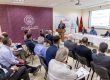
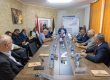
In one of the halls of BMAQ in Rabat, language and nationality faded as children gathered around a single table in their national attire, discussing the media portrayal of Palestinian children and exchanging spontaneous conversations, drawings, and handwritten messages, in a scene where innocence merged with solidarity.
Far from political complexities and dry statistics, Moroccan girl Aya Ouahman wrote a brief message: “We are proud of you; you are an example of determination and resilience… long live beloved Palestine.”
Saudi girl Fawziya Al-Otaibi (13) chose simple, heartfelt words, saying: “We are proud of the children of Palestine and wish them safety and peace. All Arab countries pray for their victory… the children of Palestine are the strongest and kindest.”
In dialogue sessions, workshops, and educational visits, Jerusalemite children had the opportunity to share their daily lives, their feelings when they see images of Palestinian children in the media, and their simple dreams of living like other children around the world in safety and peace.
Mohamed Salem Echarkaoui, Director of BMAQ, explained that the Summit served as a space for discussion and reflection on how Palestinian children are portrayed in global media, while giving Jerusalemite children the opportunity to express their views on prevailing stereotypes about them and on whether they are portrayed as heroes or victims in media coverage.
Echarkaoui stressed that Palestinian children “are not heroes and will not be victims,” but children who enjoy the same rights as all children in the world, foremost among them the rights to life, education, play, and safety, calling for a fairer and more respectful media representation of their human reality.
Palestinian children are living under harsh conditions due to occupation policies, where deprivation is not limited to their basic rights to education, play, and safety. Statistics also indicate that more than 19,000 children and students have been killed, alongside hundreds arrested in the Gaza Strip, the West Bank, and Jerusalem since October 7, 2023.