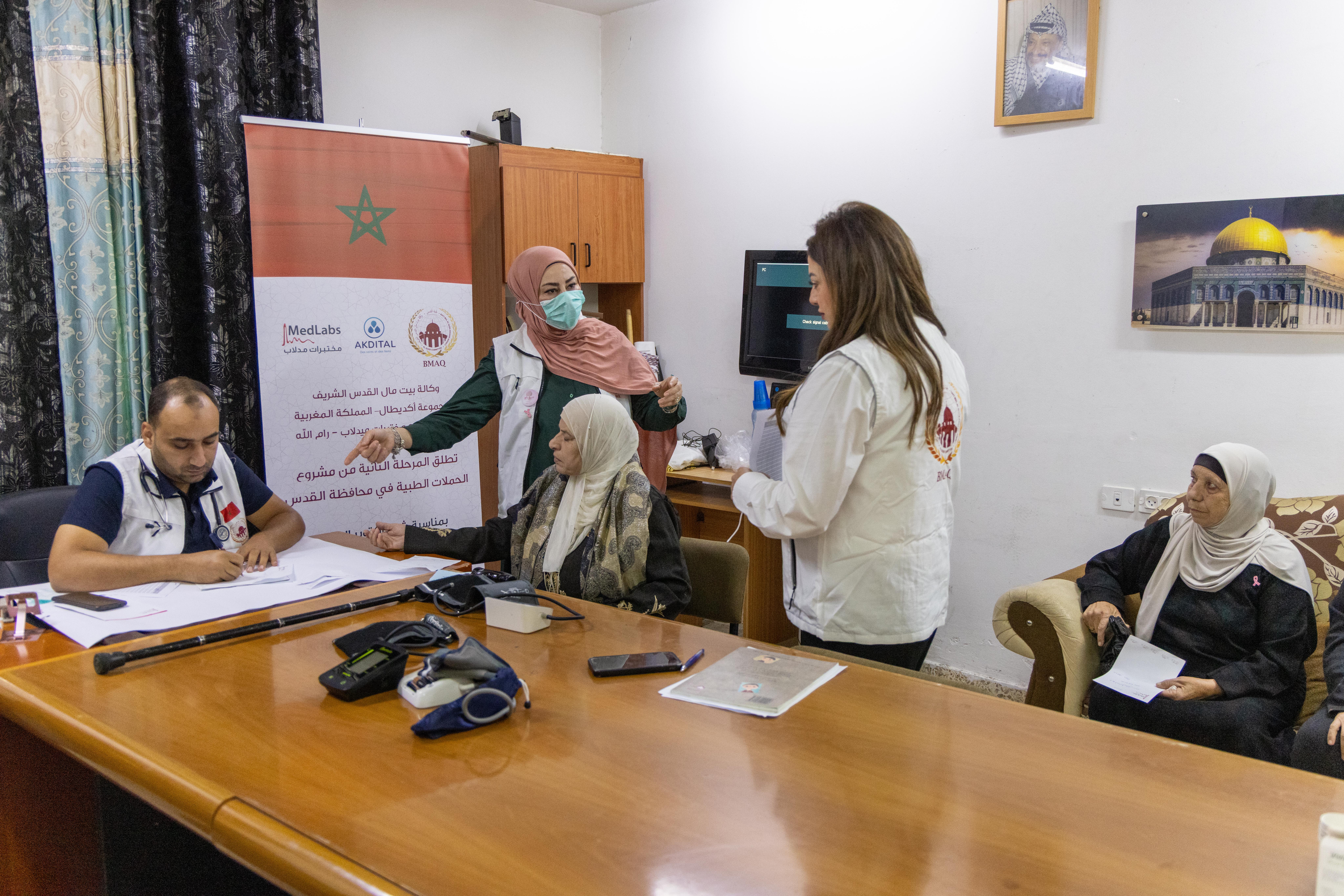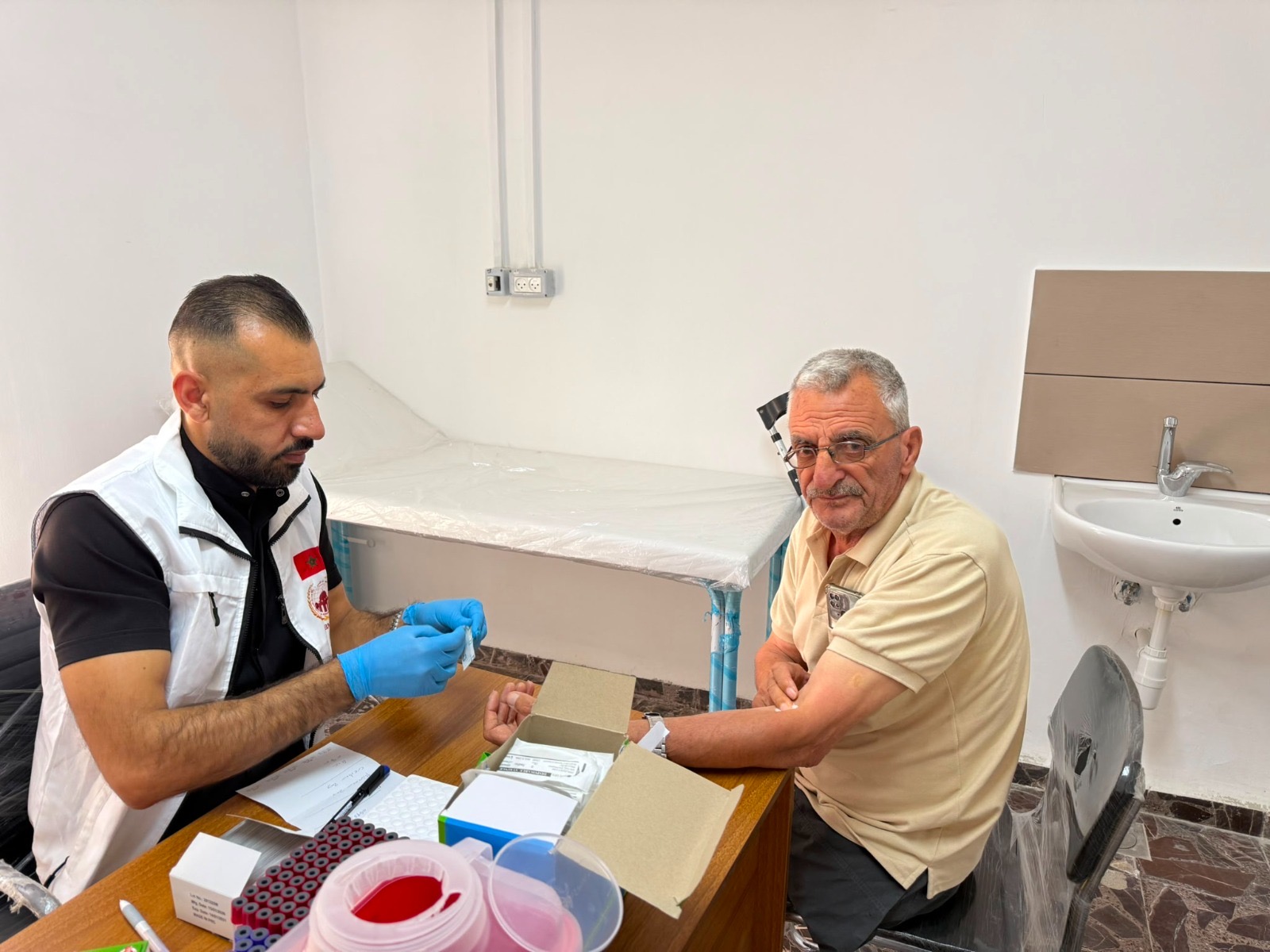
Jerusalem - The Bayt Mal Al-Quds Asharif Agency (BMAQ), the executive arm of the Al-Quds Committee chaired by His Majesty King Mohammed VI, organized a free medical day in the town of Beit Surik, northwest of Jerusalem, marking a new stop in its ongoing medical outreach campaign, which has so far benefited over 2,000 residents.
The medical day provided a range of health examinations and services for children, women, and the elderly, in addition to mobile laboratory services, in partnership with “Astra Lab” Laboratories."
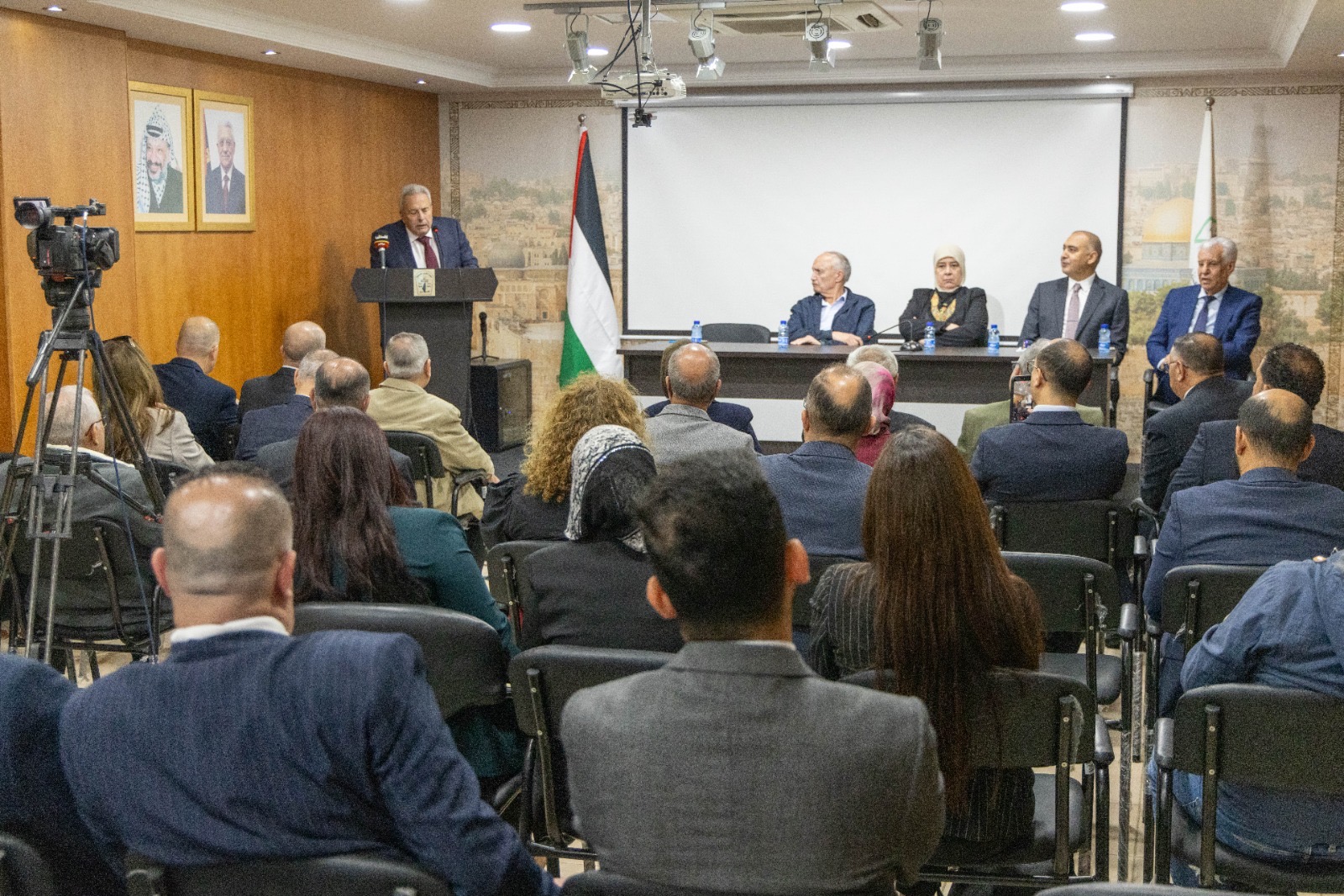
The Mayor of Beit Surik, Madhat Al-Jamal, commended this humanitarian initiative, praising the role played by BMAQ in serving the town’s residents and helping alleviate their hardships, particularly amid the difficult circumstances facing the region and the growing need for essential healthcare services.
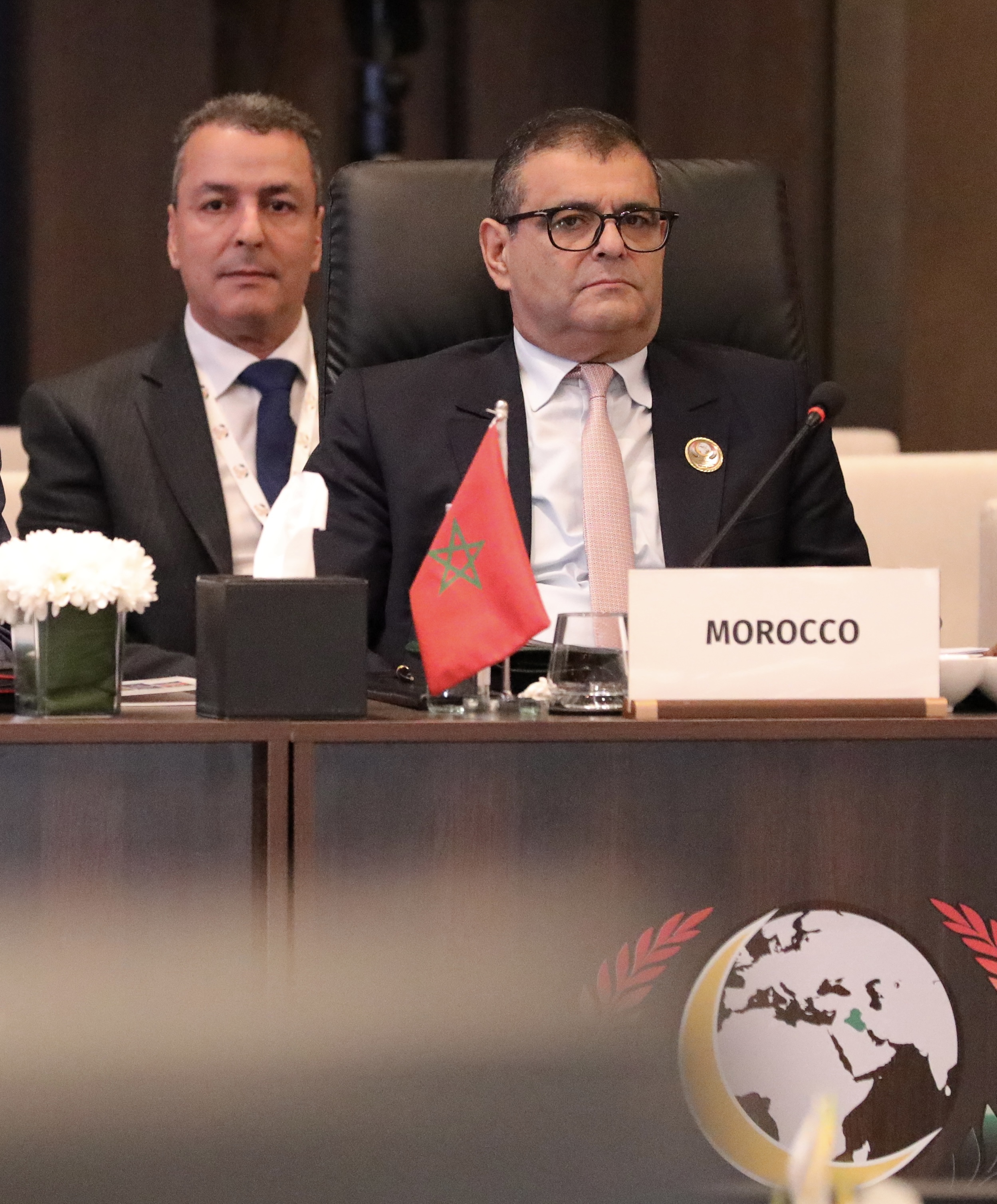
He noted that the medical day contributed to improving access to healthcare for the most vulnerable groups and expressed his gratitude to the Kingdom of Morocco—its King, Government, and people—for its continued efforts in supporting the residents of Jerusalem and its surrounding communities.
BMAQ launched its free medical campaign program in Jerusalem during the past holy month of Ramadan as part of its annual social assistance program.
To date, the campaigns have covered Khan Al-Ahmar; the Jahalin and Al-Muntar Bedouin communities; Jaba’, Hizma, and Rafat; Qalandia Camp and Qalandia Al-Balad; Qatanna, Biddu, Sheikh Saad, Mikhmas, Al-Walaja, and Al-Qubeiba; as well as Bedouin communities around Beit Hanina and the Islamic Industrial Orphanage in Al-Eizariya.
More than 2,000 residents have benefited from these campaigns so far, and the program is set to continue through 24 medical campaigns covering 31 localities across Jerusalem and its surroundings.
The final phase of the program will include the provision of eyeglasses for children based on medical assessments, as well as the supply of essential medicines, further enhancing the long-term health impact of these initiatives and improving access to healthcare services for the most vulnerable populations.