Geneva – Mohamed Salem Echarkaoui, Acting Director of the Bayt Mal Al-Quds Asharif Agency (BMAQ), affirmed on Thursday in Geneva that the Agency has placed the empowerment of Jerusalemite Palestinian women at the heart of its development strategy in Jerusalem, combining social assistance with programmes that foster economic empowerment and sustainable development.
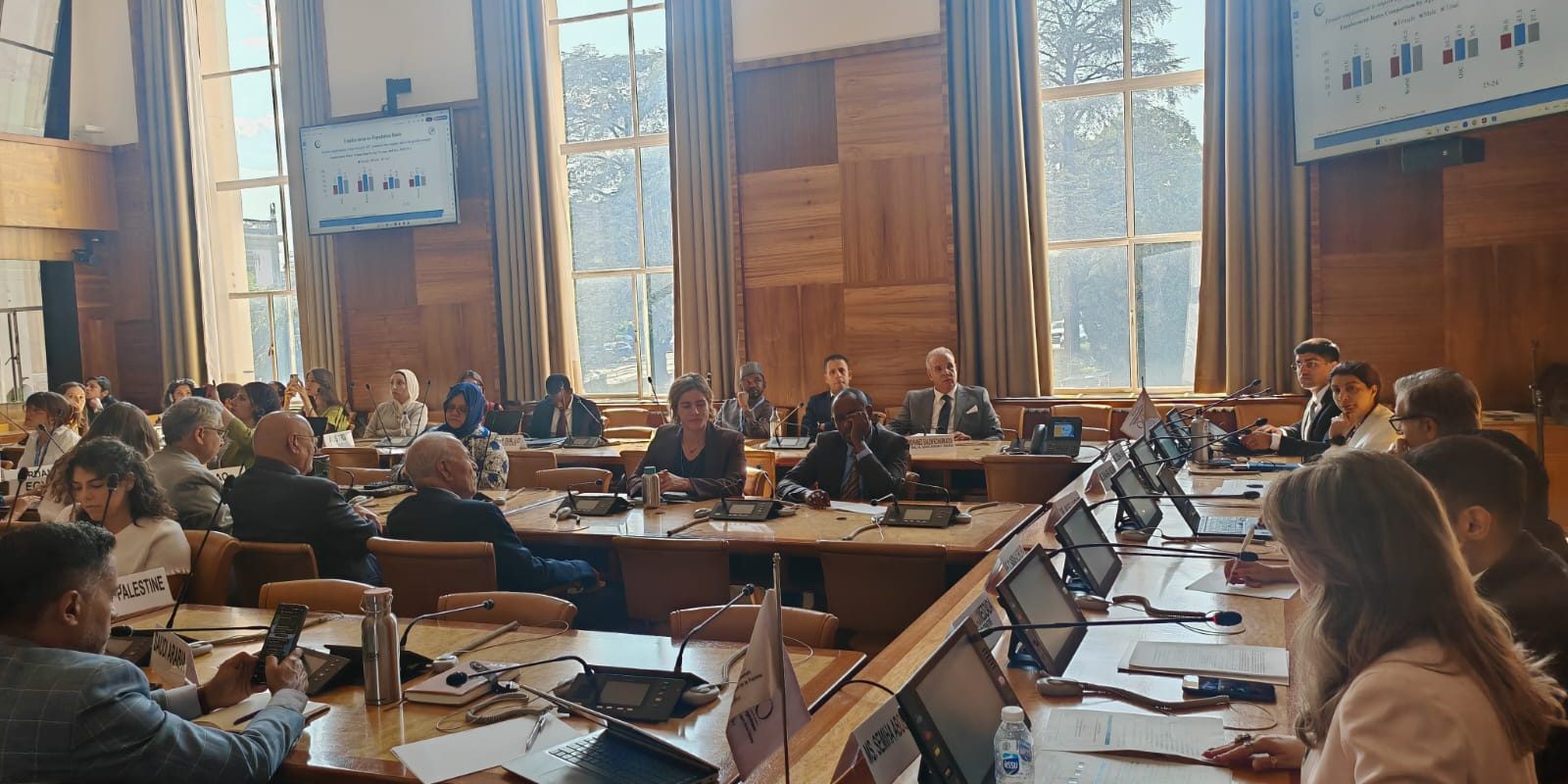
Speaking at a roundtable organized by the Women’s Development Organization of the Organization of Islamic Cooperation (OIC) on “Women’s Access to the Labour Market in OIC Member States,” Mr. Echarkaoui said the Agency has translated this vision into concrete programmes and projects that empower Jerusalemite women and strengthen their socio-economic resilience, implemented under the direct supervision of His Majesty King Mohammed VI, Chairman of the Al-Quds Committee.
In this context, he emphasized that BMAQ is committed to strengthening partnerships with women’s organizations in Jerusalem, recognizing that sustainable empowerment depends on strong, resilient local institutions capable of driving lasting change.
Highlighting the Agency’s support for women entrepreneurs, Mr. Echarkaoui noted that the Agency has worked to expand Palestinian women’s access to international markets by facilitating their participation in international exhibitions, promoting the products of women’s associations, and advancing the “Made for Palestine” initiative.
He added that, as part of its 2024–2027 Digital Strategy, the Agency supports Palestinian women entrepreneurs through the BMAQ Innovation Hub, which provides training, technical mentoring, and business development support to women-led start-ups in strategic sectors, including digital transformation, artificial intelligence, digital health, educational technology, and human resources.
Mr. Echarkaoui also highlighted the Agency’s efforts to facilitate the participation of women entrepreneurs in leading international technology events, including GITEX Africa in Marrakesh and Expand North Star in Dubai. These opportunities enable them to forge strategic partnerships, expand their market reach, and enhance the long-term sustainability of their businesses.
Mr. Echarkaoui stressed that the Agency’s experience has shown that “investing in women is an investment in families, communities, and the future of Jerusalem.” He noted that women’s economic and social empowerment strengthens community resilience, reduces poverty, creates new opportunities, and advances sustainable local development.
In closing, Mr. Echarkaoui called for “stronger cooperation among international, regional, and national institutions to foster the exchange of expertise, mobilize resources, and advance initiatives that empower women, particularly those living in vulnerable circumstances and facing exceptional challenges.”
The roundtable brought together representatives of Organization of Islamic Cooperation institutions, United Nations agencies, OIC Member States, and international experts to examine the barriers to women’s access to the labour market and explore practical solutions to address them.
Participants also explored ways to strengthen a common understanding of the challenges, barriers, and gaps affecting women’s participation in the labour market across OIC Member States. Discussions drew on successful international experiences, particularly government policies and programmes implemented in Western countries, as well as initiatives led by specialized United Nations agencies.