Vision 2030 Takes BMAQ from Direct Support to Sustainable, Long-Term Impact
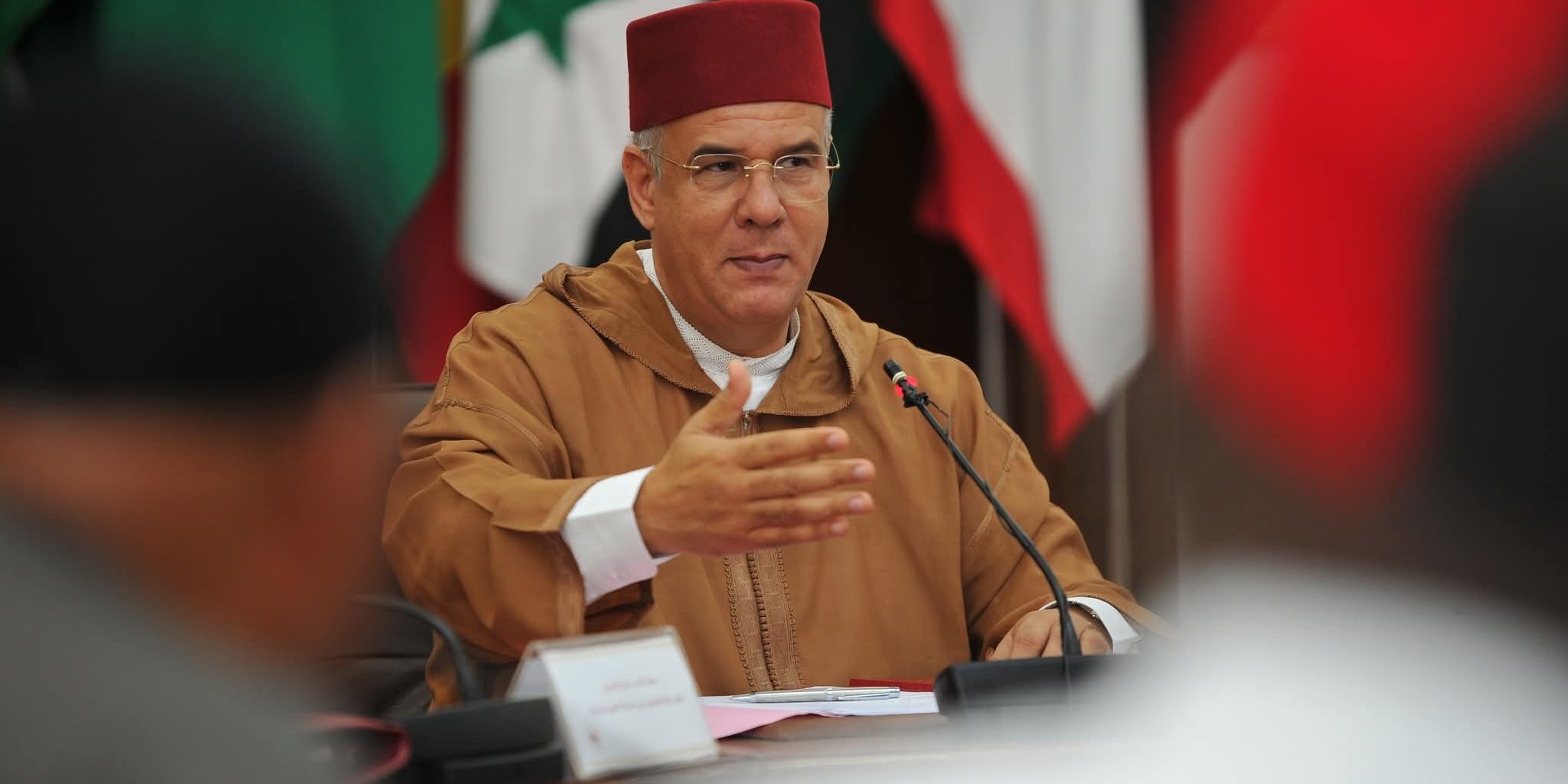
Jerusalem – Mohamed Salem Echarkaoui, Acting Director of the Bayt Mal Al-Quds Asharif Agency (BMAQ), said that King Mohammed VI, in his capacity as Chairman of the Al-Quds Committee of the Organisation of Islamic Cooperation (OIC), places the cause of Jerusalem at the heart of his priorities. This commitment is reflected in Morocco’s diplomatic efforts to support legitimate Palestinian institutions at various levels and across different fronts, as well as in BMAQ’s work to preserve Jerusalem and its religious and civilisational heritage while supporting its people and institutions.
Echarkaoui stressed, in an interview marking the conclusion of his visit to Palestine, that the Agency’s vision for 2030 is centred on a gradual shift from direct support programmes towards creating sustainable impact through economic and social empowerment, stronger governance and digitalisation, diversified funding sources, and the integration of social support with human development and sustainable development initiatives.
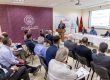
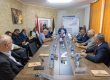
He added that the consultations he held over three days in Ramallah and Jerusalem with institutional, economic and social stakeholders, as well as Islamic and Christian religious authorities, provided an opportunity to shape the Agency’s 2027–2030 action plan around the principle of “sustainability in planning and action”. The consultations also enabled him to hear partners’ views on the priorities for the coming period and explore prospects for partnership and cooperation.
He explained that the consultations brought together representatives of the Jerusalem Affairs Department of the Palestine Liberation Organisation, the Ministry of Jerusalem Affairs, the Jerusalem Governorate, the Jerusalem Popular National Conference, Islamic and Christian bodies, the Directorate of Education, the East Jerusalem Hospitals Network, the Chamber of Commerce and Industry, the Federation of Charitable Associations, the Civic Coalition for Palestinian Rights in Jerusalem, Al-Quds University, and Bank of Palestine.
Echarkaoui said the meetings reflected broad support among institutional partners, Islamic and Christian religious authorities, and civil society actors for the Agency’s participatory approach. He added that participants welcomed the establishment of an advisory committee of Palestinian experts to help develop the plan within the framework set by the Agency, with a particular focus on funding, governance, monitoring, and project impact assessment.
He said that stakeholders broadly agreed on the value of shifting from direct humanitarian assistance to empowerment and capacity-building initiatives that equip beneficiaries to build sustainable livelihoods through the small and medium-sized enterprises they propose to the Agency.
A Vision Based on Empowerment and Sustainability
Echarkaoui highlighted that the new vision is guided by the directives of King Mohammed VI, Chairman of the Al-Quds Committee; informed by similar documents previously submitted by Palestinian institutions to donor organisations; rooted in the values that underpin BMAQ’s establishment and the field experience it has accumulated since 1998; and shaped by the evolving realities of Jerusalem and its surroundings, together with growing needs and calls for support.
He added that the Agency is gradually moving from direct in-kind assistance towards empowerment and sustainability, building on its experience in supporting productive associations, emerging enterprises, traders, and farmers, while expanding the use of digital platforms to manage files and engage with beneficiaries, funders, suppliers, and contractors. This digital transformation is also strengthening transparency, monitoring, and evaluation.
In this regard, he explained that the “Arribat” Monitoring and Evaluation Observatory, an Agency mechanism in Jerusalem, provides real-time indicators on the city’s economic and social conditions, helping to inform the Agency’s priorities and guide its interventions. He noted that assistance and social empowerment programmes remain central to the Agency’s work, given the difficult economic situation in Jerusalem, which has been further affected by the impact of the war in Gaza on the Palestinian economy as a whole.
He pointed out that BMAQ had placed digital development at the heart of its 2025 action plan for Jerusalem, recognising the potential of technology to provide economic and social development solutions for broad segments of the city’s population. For 2026, the Agency adopted the theme “Revitalising the Palestinian Economy in Jerusalem as a Lever for Development and Social Stability” and implemented an empowerment and capacity-building programme for Jerusalem’s traders.
He emphasized that Jerusalem-based stakeholders will be partners in planning and implementing the Agency’s programmes, rather than merely beneficiaries. He added that the Agency’s interventions will focus on preserving the Holy City’s historic, civilisational, and heritage assets while strengthening the resilience of its inhabitants through innovative economic and social empowerment programmes.
Three Pillars and 10 Programmes to Translate Vision 2030 into Action
Echarkaoui stressed that BMAQ’s 2030 vision is built around three major strategic pillars: strengthening administrative governance and digitalisation while adhering to international quality standards; enhancing the Agency’s resources and diversifying its funding sources; and implementing an integrated action plan to support the social sectors for 2027–2030.
He added that governance and digitalisation provide the foundations for effective action, while diversifying resources helps ensure the Agency’s long-term sustainability. The ten programmes, he noted, translate the Agency’s mission into concrete action on the ground in Jerusalem.
Echarkaoui stated that the 2027–2030 action plan comprises 10 programmes that combine the continuation of the Agency’s core interventions with the development of new areas of action in response to social, economic, and technological changes. Its financial framework is built around baseline annual funding of USD 7 million, supplemented by additional resources that the Agency will mobilise through the mechanisms and initiatives set out in the plan.
He explained that the Integrated Programme for Supporting Education and Training in Jerusalem focuses on supporting schools, higher education institutions, and students, while improving educational infrastructure and equipment. The Health, Digital Health and Social Protection Support Programme aims to strengthen health services, upgrade infrastructure and equipment, and ensure the provision of essential medicines.
He noted that the Bayt Mal Plus (BMAQ Plus) platform aims to develop digital fundraising tools, harness digital transformation, support youth-led projects, and further develop the “Dlala” and “Hayya” platforms as part of the Agency’s digital strategy. BMAQ will also continue to support priority social programmes, particularly housing assistance, the restoration and rehabilitation of buildings, and the revitalisation of the Old City of Jerusalem, with the aim of promoting decent housing and improving living conditions for its inhabitants.
He explained that the Civic Initiatives for Human Development Programme focuses on supporting local initiatives and advancing human development, while protecting Jerusalem’s architectural and religious heritage and preserving historic buildings, mosques, and other heritage structures. Meanwhile, the Social Development and Humanitarian Support Campaigns Programme targets disadvantaged families, vulnerable groups, and institutions providing care to people in difficult circumstances.
Echarkaoui stressed that the Cultural Industries, Research, Media and Documentation Support Programme focuses on supporting cultural centres, the arts, and cultural industries; promoting research and documentation; and preserving Palestinian memory, heritage, and identity. It is complemented by the Women, Youth, Childhood and Sports Programme, which focuses on building the capacities of young people and children, providing safe spaces, and supporting community institutions.
He stressed that the Property Acquisition and Waqf Development Programme is a priority for protecting properties and supporting residents in remaining on their land, as well as for acquiring buildings and dedicating them as endowments to support educational, healthcare, cultural, and social activities. He cited the Naqshbandi Zawiya property as a Moroccan model in this field.
He noted that the Trade, Tourism and Services Support Programme aims to stimulate commercial and tourism activity, strengthen traditional industries and support artisans, and promote the marketing of their products in the Old City.
“Assets Before Assistance”
Echarkaoui said that one of the plan’s guiding principles is the adoption of the “assets before assistance” approach, whereby every contribution is expected to generate a lasting impact and reach those most in need, in line with the city’s priorities and specific characteristics.
He explained that assessing the impact of projects on beneficiaries would enable the Agency to intervene at the right time and ensure that funds reach their intended recipients. He stressed that the assessment of funding requests submitted by individuals, associations, and institutions is based above all on the principles of transparency, integrity, accountability, monitoring, and evaluation.
He said that the Agency takes into account the potential of these requests to promote self-employment, create wealth and generate jobs, while investing in human capital and entrepreneurship and supporting the digital generation. At the same time, it seeks to ensure a minimum standard of dignified living and social well-being for people in need, particularly those living on the outskirts of Jerusalem and in villages across the governorate.
Echarkaoui stressed that Vision 2030 also seeks to build a lasting asset base that safeguards the Agency’s achievements and creates opportunities for the future. This includes leveraging expertise and investing in the city’s symbolic capital, enhancing the Agency’s support for the trade, tourism, and agricultural sectors, advancing digital transformation, and establishing a regional innovation centre and a unified, secure information system.
Turning Resources into Projects for the Benefit of Jerusalem’s Inhabitants
Echarkaoui said that strengthening governance and digitalisation, together with adherence to international quality standards, provides an institutional foundation for enhancing the Agency’s performance and modernising its working methods. He noted that the success of the vision will depend on the Agency’s ability to mobilise resources, operational capacity, expertise, and partnerships and translate them into tangible projects and programmes that benefit Jerusalem’s inhabitants.
He added that the Agency is working to develop an online fundraising platform, invest its funds and develop productive endowments, promote the “Made for Palestine” brand, and mobilise corporate social responsibility contributions. It is also expanding its network of partners and donors and exploring new funding mechanisms to diversify and strengthen its resource base.
He explained that BMAQ’s funding has come entirely from Moroccan sources since 2011, with no funding received from other sources during this period. He noted that the Agency’s annual operating budget is approximately USD 3 million, while its annual project budget is around USD 4 million, funded through contributions from Moroccan government institutions, local authorities, associations, and individuals.
2027–2030: Consolidating Achievements and Shaping the Future
Echarkaoui stressed that the 2027–2030 period, which will coincide with the 30th anniversary of BMAQ’s work in Jerusalem, will mark a new phase focused on consolidating its achievements, strengthening its operational tools and resources, and expanding programmes in social support, economic empowerment, and human and sustainable development.
He stressed that the Agency will continue its work in Jerusalem in accordance with the High Instructions of His Majesty King Mohammed VI, Chairman of the Al-Quds Committee, pursuing a sustainable development approach that combines social support programmes for the most vulnerable groups with economic empowerment and human development initiatives, as well as support for start-ups in innovation and emerging fields.
He said that the objective is to translate resources, expertise, and partnerships into projects with lasting impact that address the needs of Jerusalem and its inhabitants, while strengthening the Agency’s capacity to fulfil its mission in support of the city and its people.
Field Visits and On-the-Ground Activities
Echarkaoui said that his visit to Palestine included, alongside the consultation meetings, a number of field activities, including participation in the announcement of the results of the Jerusalem Hackathon 2026 and a visit to the al-Israr Shool “Determination School” at Al-Makassed Hospital, where he joined the children and their teachers in marking the start of the new school year and learned about the situation of children receiving treatment for cancer and kidney diseases. The visit also included the opening of the new academic year of the Moroccan Studies Chair at Al-Quds University and participation in the Jerusalem Crafts and Creativity Forum. During these activities, he stressed the importance of maintaining direct engagement with Jerusalem’s institutions and communities and ensuring that the Agency’s programmes respond to their needs and priorities.