Jerusalem – The Bayt Mal Al-Quds Asharif Agency (BMAQ) concluded, this Thursday, the activities of the “Moroccan Traditional Crafts Training Week,” which saw the participation of 38 trainees from among Jerusalemite artisans and youth..
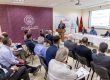
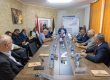
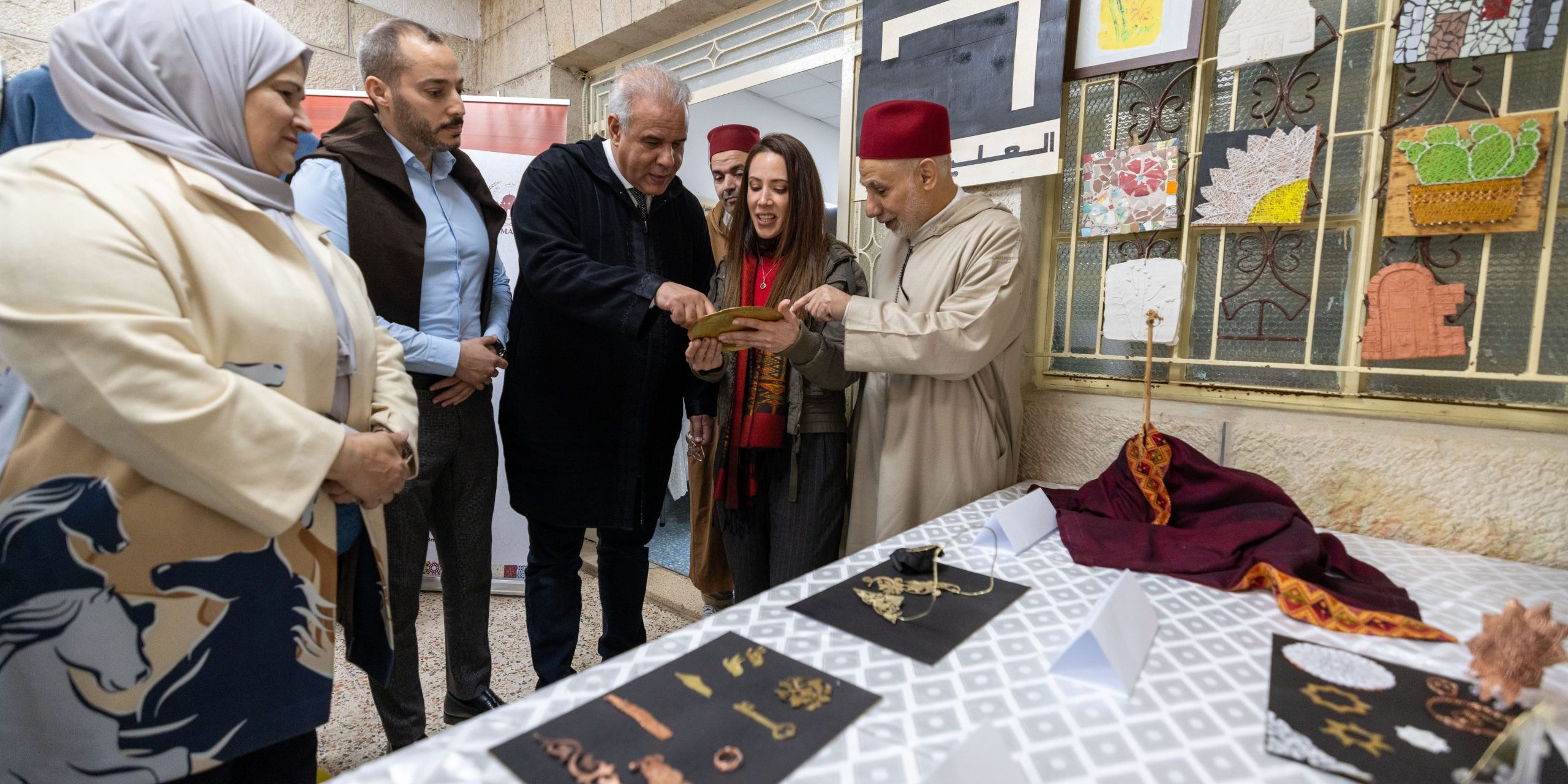
The Director of BMAQ , Mohamed Salem Echarkaoui, presented participation certificates to the trainees during a ceremony hosted by Al-Aliyah Foundation for Science, Environment and Arts in the city of Jerusalem, in the presence of academic and community figures, as well as representatives of Jerusalem-based institutions.
The training week, organized within the framework of the “Community Initiatives for Human Development in Jerusalem” program launched by BMAQ, brought together a group of Moroccan artisans specializing in textile arts, wood carving, and copper and silver craftsmanship. They shared their accumulated expertise and experience with Jerusalemite artisans through hands-on workshops that enabled the exchange of skills and knowledge in a professional, interactive environment fostering cooperation and openness to successful experiences.
The program included intensive practical training and theoretical sessions focused on improving the quality of craft products and encouraging innovation in design, enabling participants to transform their skills into sustainable productive projects.
In his address on the occasion, Mr. Echsrkaoui stressed that this training week falls within the Agency’s vision, under the directives of His Majesty King Mohammed VI, Chairman of the Al-Quds Committee, to economically empower Jerusalemite artisans and preserve the city’s cultural and heritage identity.
He explained that investing in traditional crafts is not limited to the cultural dimension alone but represents a genuine lever for human development, social stability, and job creation, particularly in light of the economic challenges facing Jerusalem.He explained that investing in traditional crafts goes beyond their cultural value, serving as a powerful driver of human development, social stability, and job creation—particularly in light of the economic challenges facing Jerusalem. He explained that investing in traditional crafts goes beyond their cultural value, serving as a powerful driver of human development, social stability, and job creation—particularly in light of the economic challenges facing Jerusalem.
For her part, Samar Qarsh, Director of the Al-Aliyah Foundation for Science, Environment and Arts in Jerusalem, said the foundation hosted the training program in partnership with three artisans from Morocco specializing in textile arts, wood carving, and copper and silver craftsmanship. The initiative forms part of a broader effort to revive the traditional crafts shared by Morocco and Palestine.
She added that these crafts are authentic and deeply rooted in both Moroccan and Palestinian heritage. However, their presence in the Palestinian crafts market has declined due to the difficult conditions facing the city, prompting the foundation to work on reviving them through specialized training workshops targeting various groups of youth and interested individuals.
She explained that the program sought to enable participants to develop their technical and artistic skills and prepare them to launch their own projects that could provide them with a sustainable source of income, thereby strengthening their economic resilience and deepening their connection to their cultural heritage.
Mohammed Qaisi, one of the program’s beneficiaries, described the training week as a rewarding and enriching experience. Under the guidance of highly experienced artisans, participants learned the fundamentals of the crafts and applied their new skills to several wooden pieces throughout the sessions, boosting their confidence and giving them valuable hands-on experience.
He added that the program aims to equip a group of students and interested participants to carry the initiative forward and share their expertise with others, thereby broadening the circle of beneficiaries and contributing to the revival of these traditional crafts within Jerusalemite society.
For her part, Karmel Salah said she joined the woodcarving workshop to deepen her artistic skills. A visual artist specializing in art therapy, she noted that she is keen to explore new tools and techniques that can further enrich her professional practice.
She also said she plans to pass on the skills she gained to her students at different grade levels, noting that handicrafts—especially wood carving—can be particularly engaging for some learners. She added that these activities help spark creativity and encourage active participation, opening up new possibilities for artistic and professional growth.