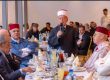
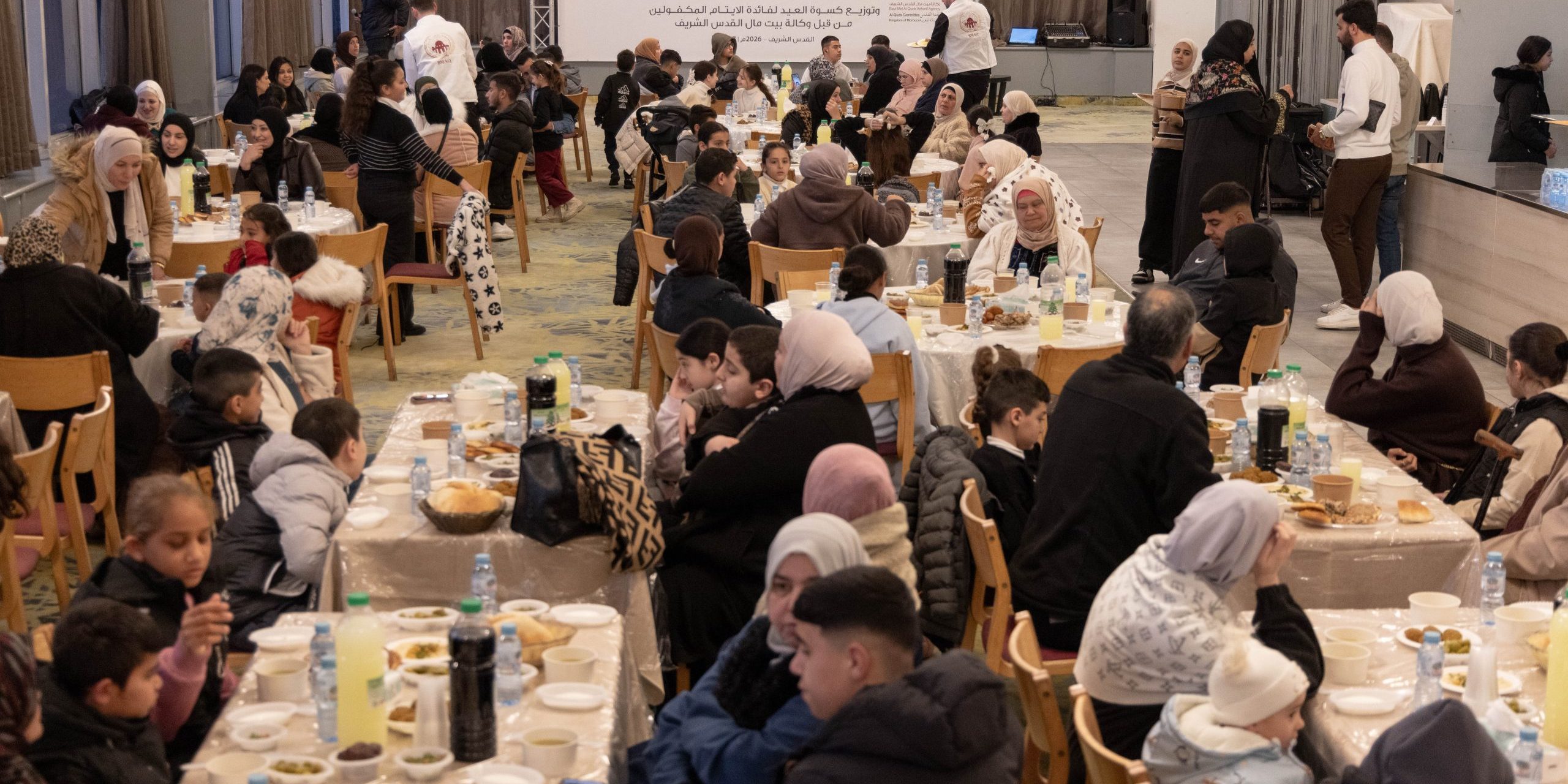
Jerusalem – The Bayt Mal Al-Quds Asharif Agency (BMAQ) brought joy to 500 orphaned children in Jerusalem by organizing a collective Ramadan iftar for them and their families. The humanitarian initiative aimed to foster an atmosphere of warmth, solidarity, and celebration during the holy month, despite the challenging conditions on the ground.
After the iftar, the children enjoyed a series of entertainment activities and artistic performances that delighted them. Their laughter filled the venue as they participated in recreational and interactive games, creating a lively and festive atmosphere.
The children’s joy was further amplified when the Agency distributed Eid al-Fitr clothing, a gesture designed to bring happiness to their hearts and allow them to partake fully in the holiday celebrations. This initiative formed part of BMAQ’s annual social assistance campaign conducted during Ramadan.
The iftar was organized under the Ramadan Charity Campaign, which the Agency has resumed across Jerusalem and its surrounding areas. The initiative continues despite the difficult security and economic conditions faced by residents, compounded by regional tensions and the repercussions of the Israeli–American conflict with Iran, which have directly affected the daily lives of Jerusalemites.
In an atmosphere of familial warmth, the children joined their families at the iftar tables in a gathering that blended social solidarity with genuine human compassion. The organizers provided a comprehensive entertainment program, infusing the evening with a festive and joyful spirit for the young participants.
Jerusalemite Mennatallah Al-Sharif expressed her gratitude to the organizers of the annual Ramadan iftar, commending BMAQ for its dedication to caring for children and addressing their psychological and social well-being. She highlighted that the Agency seeks to bring happiness to the children through entertainment programs and the presence of clowns, creating a cheerful and lively atmosphere for the occasion.
She added that the iftar featured a warm and joyful environment, expressing her sincere appreciation to those behind this humanitarian initiative, which reflects genuine care for the children and their well-being.
Elias Abu Sneineh, a resident of Silwan in Jerusalem, also thanked BMAQ for organizing the Ramadan iftar, noting that such initiatives convey a vital message of human solidarity amid the city’s difficult conditions. He emphasized that these activities help ease the daily burdens faced by Jerusalemite families while providing children with moments of joy amid an increasingly challenging reality.
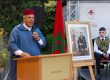
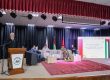
In a statement on the occasion, BMAQ Director Mohamed Salem Echarkaoui underscored that this initiative is part of the Agency’s ongoing social and humanitarian programs in Jerusalem, designed to support vulnerable groups and strengthen the resilience of residents in the face of mounting challenges.
Echarkaoui further noted that, under the guidance of the Al-Quds Committee chaired by His Majesty King Mohammed VI, BMAQ continues to implement field projects and initiatives addressing the social, health, and economic needs of Jerusalemite society, with support for orphans and disadvantaged families remaining a central priority.
He also emphasized that, through the Agency’s work, the Kingdom of Morocco remains committed to translating its historic dedication to Jerusalem into tangible projects and initiatives that improve residents’ living conditions and reinforce their capacity to remain steadfast in their city.
During a field visit to Jerusalem last month, the BMAQ Director launched a package of social, health, and economic initiatives coinciding with the start of Ramadan 1447 AH, as part of the Agency’s ongoing efforts to alleviate the economic hardships faced by Jerusalemite families.
These initiatives included the launch of the annual social assistance campaign in the villages of Nabi Samwill and Al-Jadeera, northwest of Jerusalem, distributing five thousand food baskets—each containing twenty-two essential items—to support needy families in Jerusalem and nearby villages.
The Agency also supplied community kitchens and social centers with the necessary resources to prepare approximately twenty thousand iftar meals daily throughout Ramadan. In addition, it distributed Eid al-Fitr clothing to the orphans under its care and organized religious and cultural evenings, alongside various training programs.
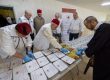
In the health sector, the Agency conducted free medical days targeting Bedouin communities in Khan al-Ahmar, Al-Jahalin, and Al-Muntar, as well as several surrounding towns and villages. Services included laboratory testing via a mobile lab, general medical care, pediatrics, and ophthalmology consultations.
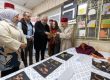
On the economic front, the Agency launched a training program to enhance the professional skills of Jerusalemite merchants in import and export-related fields. It also organized a week-long workshop on traditional Moroccan crafts, featuring Moroccan artisans specialized in textiles, wood carving, and copper and silverwork. Thirty-eight Jerusalemite artisans and youth participated and benefited from this initiative.
The resumption of the Ramadan charity campaign in Jerusalem carries particular significance in light of the persistent security, economic, and social pressures faced by Palestinians in the city. These challenges have been further exacerbated by regional tensions arising from the Israeli–American military actions against Iran, which have directly affected the daily lives of Jerusalemites.